
What Makes Good Daycare? Top Signs to Look for This Fall
April 14, 2025

What Makes Good Daycare? Top Signs to Look for This Fall
Let’s Be Honest — Choosing a Daycare Is Overwhelming
Scrolling through endless “daycares near me” results? You’re not alone.
Every program looks great online. But what actually makes a daycare a good one?
If you're enrolling your child this fall, you deserve more than pretty photos. You need a daycare that’s safe, warm, consistent — and built for learning.
This post breaks down the real signs of a quality daycare, so you can walk into your next tour with confidence.
1. Experienced and Caring Staff
Keywords: qualified daycare teachers, preschool staff, daycare near me
This is a big one. The heart of any great daycare is the staff.
You want people who aren’t just “watching” your child — they’re engaging them, supporting their development, and loving them like their own.
Look for:
- Staff with early childhood credentials or training (CDA, CPR/First Aid, etc.)
- Teachers who greet children by name and get on their level when talking
- Low turnover — consistency matters!
- A director or admin who’s accessible and involved
At our center, our team includes credentialed professionals who bring both heart and skill to the classroom. Many are parents themselves and understand what families need most.
2. A Clean, Safe, and Inviting Environment
Keywords: safe daycare, clean classroom, childcare Orlando
Look beyond the surface. A shiny floor is nice, but what’s more important is whether the environment is child-centered and safety-focused.
What to look for during your visit:
Clean bathrooms, organized classrooms, and labeled supplies
Age-appropriate toys, books, and learning areas
Clearly marked emergency exits, first aid kits, and childproofing
Secure entry (buzz-in systems, ID checks, etc.)
Bonus: Ask how often toys and surfaces are sanitized — especially during cold and flu season.
3. Clear Communication with Families
You deserve to know how your child is doing — every day. The best daycare prioritizes family communication.
That might look like:
- Daily notes or updates via app
- Open-door policy for parent questions or concerns
- Family events, newsletters, or parent-teacher conferences
- Transparent policies on behavior, illness, and emergencies
At our center, parents stay in the loop through real-time updates and photo sharing. We believe the caregiver-parent connection is just as important as the caregiver-child one.
4. Child-Led, Enriching Curriculum
Keywords: early childhood curriculum, learning through play, preschool education
A great daycare doesn’t just watch kids — it teaches them. But don’t expect worksheets and tests.
Preschool-aged children learn best through play, movement, music, and conversation.
Signs of a good curriculum:
- Sensory activities, reading circles, music and dance
- Free play mixed with structured time
- Teachers who ask questions, encourage storytelling, and celebrate milestones
- Hands-on learning with art, building, science, and dramatic play
Ask what curriculum they follow — and if it’s aligned with school readiness goals like the VPK program.
5. Positive Reviews from Local Parents
Keywords: best daycare near me, daycare reviews, parent feedback
Online reviews aren’t everything, but they do offer a window into how families feel about a program.
Look for:
- Consistent praise for teachers, communication, and environment
- Mentions of how long families have stayed enrolled
- Testimonials that speak to emotional safety, academic growth, and staff support
Even better? Ask the school if you can talk to a current parent during your tour or follow their social media to see real-time experiences.
6. Seasonal Learning and Family Connection
The best daycares reflect the real world — that means seasonal themes, classroom celebrations, and family engagement.
For fall, that could include:
- Autumn crafts, pumpkin sensory bins, and leaf hunts
- Back-to-school welcome nights
- Classroom picture day or themed dress-up weeks
- Parent-teacher connection events
- A program that includes you in your child’s learning journey is one worth keeping.
Bonus: Signs to Be Cautious Of
Just as important as knowing what to look for is knowing what to avoid:
- Teachers who seem disengaged or frustrated
- Classrooms that feel chaotic or understaffed
- Poor communication or unclear policies
- Lack of structure or meaningful activities
- High staff turnover with no explanation
Trust your gut. If something feels off, don’t ignore it. A quality program will never make you feel like a burden for asking questions.
Why Families Trust Us for Fall Childcare
When families tour our program, they tell us the same thing: “It feels different here.”
Here’s what we offer:
- Credentialed teachers who create strong bonds with each child
- A bilingual, inclusive curriculum that prepares children for kindergarten and beyond
- On-site support services (speech, OT, behavioral if needed)
- Healthy meals, diapers, wipes, and supplies included
- Seasonal themes and learning units that keep kids curious
- An environment that feels like home — clean, safe, and filled with laughter
Want to see the difference? Schedule your fall tour here — no pressure, just a warm welcome.
Final Thoughts: A Good Daycare Feels Right — For You and Your Child
At the end of the day, it’s not just about checking boxes — it’s about finding a place where your child is seen, supported, and safe.
The best daycare for your family is one where:
- Your child feels excited to walk in
- You feel confident walking away
- You know learning and love go hand in hand
And yes — that program does exist.
Looking for a nurturing and safe daycare in Orlando? Schedule a fall tour today
to see the difference for yourself. Fall 2025 enrollment is open now.
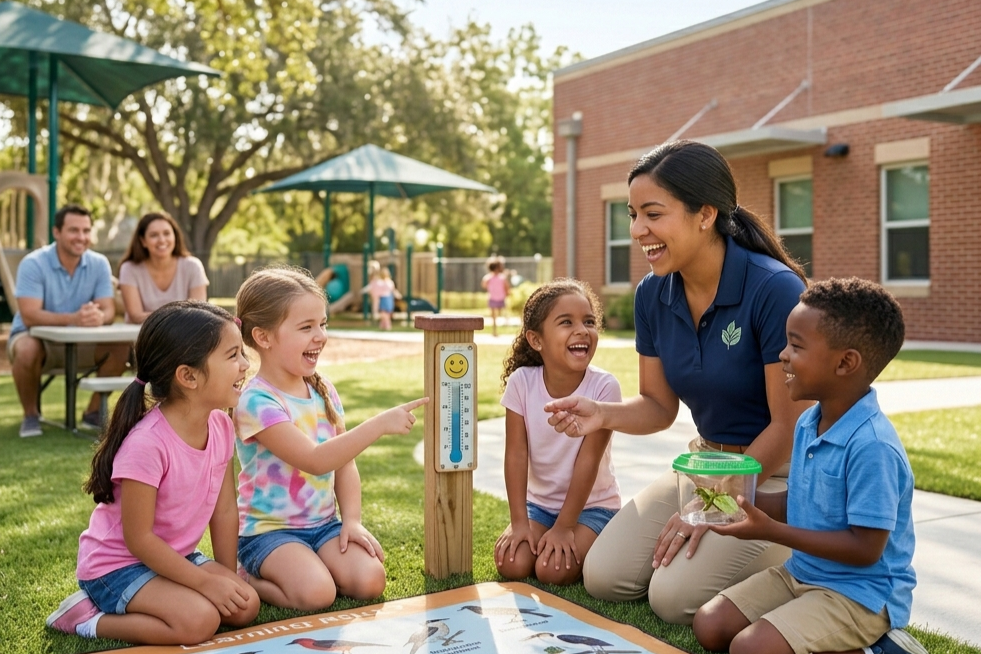
Why a Structured Summer Can Make All the Difference for Your Child’s Confidence As summer approaches, many parents begin to notice a shift. Routines loosen. Bedtimes change. Learning slows down. And then the thought creeps in: “Will my child be ready when school starts again?” It’s a valid concern. Without structure and consistent engagement, children can lose important skills over the summer. That’s why choosing the right school readiness Oak Ridge and Conway Orlando program can make such a powerful difference. At Storybook School, summer isn’t just about keeping children busy—it’s about helping them stay confident, engaged, and prepared for what comes next. Why Summer Can Affect Your Child More Than You Expect Summer should feel like a break—but too much unstructured time can have lasting effects. Without consistent routines and learning opportunities, children may: Lose focus and attention skills Forget classroom habits like listening and following directions Feel less confident in group settings These changes often show up when school begins again. A strong school readiness Oak Ridge and Conway Orlando program helps prevent this. Instead of starting from behind, your child continues building skills in a way that feels natural and enjoyable. How a Summer Program Supports Learning and Growth A high-quality summer childcare Oak Ridge and Conway program does more than fill your child’s day—it supports their development in meaningful ways. At Storybook School, children benefit from: Continued Learning Children stay engaged with activities that build early literacy, math, and problem-solving skills. Daily Structure A predictable routine helps children feel secure and confident. Social Development Children practice communication, cooperation, and independence. For families looking for kindergarten prep Oak Ridge and Conway, this consistent support helps children grow without pressure. Your child stays on track—while still enjoying summer. Activities That Build Real School Skills Children learn best when they are actively involved. That’s why Storybook School uses hands-on activities designed to support school readiness Oak Ridge and Conway Orlando while keeping children engaged. Each day includes: Storytime that builds vocabulary and comprehension Creative arts that strengthen fine motor skills Early math activities that develop problem-solving Group play that encourages teamwork and communication These activities are purposeful. For example, participating in group play helps children learn how to follow instructions, take turns, and stay engaged—skills they’ll use every day in school. Learning feels natural—and that’s what makes it effective. Why Routine Builds Confidence and Stability One of the biggest factors in school readiness is routine. Children who experience consistent structure tend to: Follow directions more easily Transition between activities smoothly Feel more comfortable in classroom settings At Storybook School, each day follows a clear and supportive rhythm. Children know what to expect—and that builds confidence. Choosing a structured school readiness Oak Ridge and Conway Orlando program gives your child a strong, steady foundation. What a Typical Day Looks Like at Storybook School As a parent, understanding your child’s daily experience brings peace of mind. Here’s what a typical day includes: Early drop-off starting at 6:30 AM for busy families Warm, welcoming activities to ease children into the day Circle time and group learning Nutritious meals and snacks (included at both locations) Hands-on learning and creative play Outdoor time for movement and exploration Lunch and social interaction Quiet time to rest and recharge Afternoon activities and guided play End-of-day pickup This balanced schedule helps children stay engaged without becoming overwhelmed. Each part of the day supports both learning and emotional well-being. Supporting Social and Emotional Development School readiness isn’t just about academics—it’s also about confidence. Children need to feel comfortable: Speaking up Asking for help Interacting with others At Storybook School, children practice these skills every day. They learn how to: Share and take turns Communicate their needs clearly Build friendships Work together in group settings For families focused on kindergarten prep Oak Ridge and Conway, this social growth is just as important as academic learning. A confident child is more likely to participate, engage, and succeed. What Makes Storybook School Different Choosing the right program means finding a place that truly understands your child—and your needs as a parent. Storybook School stands out because of its: Two Convenient Locations Serving families in Oak Ridge (32809) and Conway (32812). Early Hours (6:30 AM) Perfect for working parents with busy schedules. Meals Included at Both Locations Providing convenience and consistent nutrition. Step Up Scholarships Accepted Helping make quality childcare more accessible. Kindergarten Readiness Focus (Conway Location) Preparing children for long-term academic success. Private School Option (K–1st at Conway) Offering continuity beyond early childhood programs. These features are designed to support both your child’s growth—and your daily routine. Addressing Parent Concerns with Confidence It’s completely normal to have questions when choosing a summer program. Safety Children are supervised at all times in a structured and secure environment. Trust A caring and consistent team creates a nurturing space where children feel comfortable. Affordability Families looking for kindergarten prep Oak Ridge and Conway options will find real value through included meals, scholarships, and strong developmental support. You shouldn’t have to worry about your child throughout the day. With the right program, you can feel confident every step of the way. A Smoother Transition Back to School One of the biggest benefits of a structured summer program is what happens when school begins again. Children who stay engaged during the summer: Adjust more easily to routines Feel more confident in group settings Experience fewer challenges when transitioning back At Storybook School, children build these habits every day. Instead of starting from behind, they walk into the school year ready. For parents, that means less stress—and a smoother start. Give Your Child the Confidence to Succeed Summer is more than just a break—it’s an opportunity. With the right program, your child can: Stay engaged and continue learning Build confidence and independence Develop important social and academic skills Feel prepared for the next school year At Storybook School, every part of the program is designed to support your child’s success—while giving you peace of mind. Schedule a Tour or Enroll Today Summer spots are limited, and availability won’t last long. If you want your child to stay confident, prepared, and supported, now is the time to act. 👉 Schedule a tour today and visit your nearest location 👉 Call now to speak with the team and get your questions answered 👉 Enroll today to secure your child’s spot before spaces are filled Give your child the structure, confidence, and support they need to walk into the next school year ready—right here in Oak Ridge and Conway Orlando.
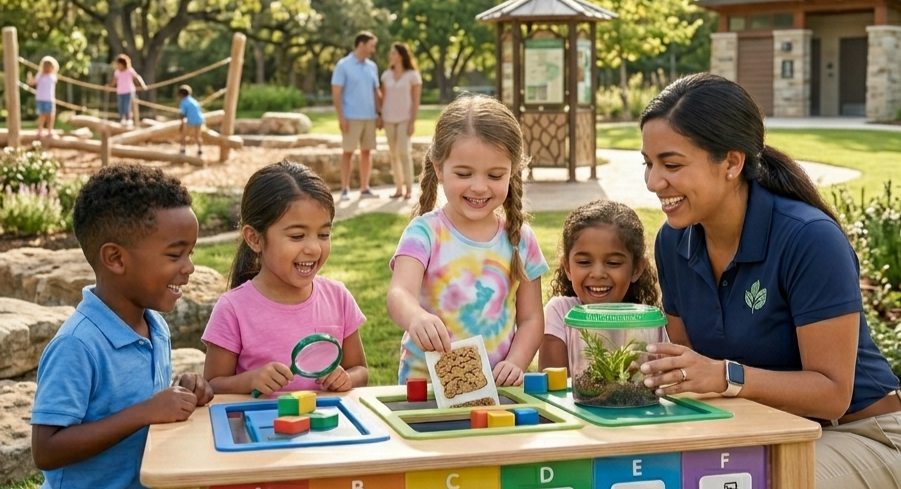
A Day Your Child Will Look Forward To—From Drop-Off to Pick-Up When choosing a summer program, most parents ask the same question: “Will my child actually enjoy their day?” You want more than just supervision. You want your child to feel excited in the morning, engaged throughout the day, and happy when you pick them up. At the same time, you want to know they’re safe, learning, and building important skills. That’s exactly what a well-structured day provides. At Storybook School, our summer activities Oak Ridge and Conway Orlando families trust are designed to create a balance of learning, structure, and fun—so your child thrives every single day. Let’s take a closer look at what your child’s day really feels like—and why it matters. Why Your Child’s Daily Experience Shapes Their Growth Not all summer programs feel the same from a child’s perspective. Some days feel long, unstructured, and boring. Others feel exciting, predictable, and engaging. Without structure, children may: Lose focus and routine Become disengaged Struggle when transitioning back to school That’s why the quality of daily summer activities Oak Ridge and Conway Orlando matters so much. A well-planned day keeps children engaged while helping them build confidence, independence, and important learning habits. And as a parent, you’ll see the difference in their mood, behavior, and growth. How a Structured Summer Day Helps Your Child Thrive Children do best in environments that feel both fun and predictable. At Storybook School, every part of the day is designed to support: Learning Children build early literacy, math, and problem-solving skills through hands-on activities. Structure A consistent routine helps children feel safe and confident. Social Development Children practice communication, teamwork, and independence. This balance is what makes a strong summer childcare Oak Ridge and Conway program. Your child isn’t just staying busy—they’re building skills that prepare them for the next school year. Activities That Keep Children Engaged and Excited Children learn best when they’re actively involved. That’s why Storybook School focuses on engaging, hands-on experiences that feel like play—but are designed with purpose. Each day includes: Storytime that builds vocabulary and listening skills Creative arts that strengthen coordination and focus Early math activities that encourage problem-solving Group games that promote teamwork and communication These activities aren’t random. For example, a group game helps children practice following directions and taking turns, while art projects build patience and independence. Your child stays engaged—and continues learning naturally. Why Routine Helps Children Feel Safe and Confident Children thrive when they know what to expect. A consistent routine helps them: Stay focused throughout the day Transition smoothly between activities Feel comfortable in their environment At Storybook School, each day follows a clear rhythm that supports your child without feeling rigid. Children move through their day with confidence, knowing what comes next. Choosing a structured program helps your child feel secure—and that confidence carries into school. What a Typical Day Looks Like at Storybook School As a parent, understanding your child’s daily routine brings peace of mind. Here’s an example of a kids summer schedule Oak Ridge and Conway families can expect: Early drop-off starting at 6:30 AM Warm, welcoming activities to start the day Circle time and group learning Nutritious meals and snacks (included at both locations) Hands-on learning and creative play Outdoor time for movement and exploration Lunch and social interaction Quiet time to rest and recharge Afternoon activities and guided play End-of-day pickup This balanced schedule keeps children engaged without overwhelming them. Every part of the day supports both learning and emotional well-being. Meals That Support Your Child—and Simplify Your Day Meals are an important part of your child’s daily experience. At Storybook School, meals are included at both locations—giving your child consistent nutrition and giving you one less thing to worry about. Children benefit from: Regular meal times that support routine Balanced meals that keep energy levels steady Opportunities to build social skills during meals For parents, this means no early-morning lunch packing. It’s a small detail that makes a big difference in your daily routine. Supporting Social and Emotional Confidence Summer programs are about more than academics—they’re about building confidence. At Storybook School, children practice: Sharing and taking turns Expressing their needs clearly Building friendships Working together in group settings These everyday interactions help children feel more comfortable and confident. For families looking for a strong summer childcare Oak Ridge and Conway program, this kind of development is just as important as academic learning. A confident child is more likely to participate and succeed. What Makes Storybook School Different Choosing the right program means finding a place that truly supports your child—and your family. Storybook School stands out because of its: Two Convenient Locations Serving families in Oak Ridge (32809) and Conway (32812). Early Hours (6:30 AM) Perfect for busy, working parents. Meals Included at Both Locations Saving you time while supporting your child’s nutrition. Step Up Scholarships Accepted Making quality childcare more accessible. Kindergarten Readiness Focus (Conway Location) Helping children build a strong academic foundation. Private School Option (K–1st at Conway) Providing long-term educational continuity. These features are designed to give you confidence—and give your child the support they need. Addressing Parent Concerns with Confidence It’s natural to have concerns when choosing a summer program. Safety Children are supervised at all times in a structured and secure environment. Trust A caring and consistent team creates a supportive space where children feel comfortable. Affordability Families looking for value will find that a strong program offers long-term benefits, especially with meals included and scholarships accepted. You shouldn’t have to worry throughout the day. With the right program, you can feel confident every time you drop your child off. Helping Your Child Transition Back to School with Ease One of the biggest benefits of a structured summer program is how it prepares your child for what comes next. Children who stay engaged during the summer: Adjust more easily to routines Feel more confident in group settings Experience fewer challenges when school begins At Storybook School, children build these habits every day. Instead of starting from behind, they walk into the school year ready. For parents, that means less stress and a smoother transition. A Summer Your Child Will Actually Look Forward To The right summer program doesn’t just fill time—it creates an experience your child enjoys. At Storybook School, your child will: Stay active and engaged Build confidence and independence Learn through structured, fun activities Feel safe, supported, and encouraged And most importantly—they’ll look forward to coming back each day. Schedule a Tour or Enroll Today Summer spots are limited, and availability won’t last long. If you want your child in a safe, structured, and engaging environment, now is the time to act. 👉 Schedule a tour today and visit your nearest location 👉 Call now to speak with the team and get your questions answered 👉 Enroll today to secure your child’s spot before spaces are filled Give your child a summer filled with confidence, care, and joy—right here in Oak Ridge and Conway Orlando.
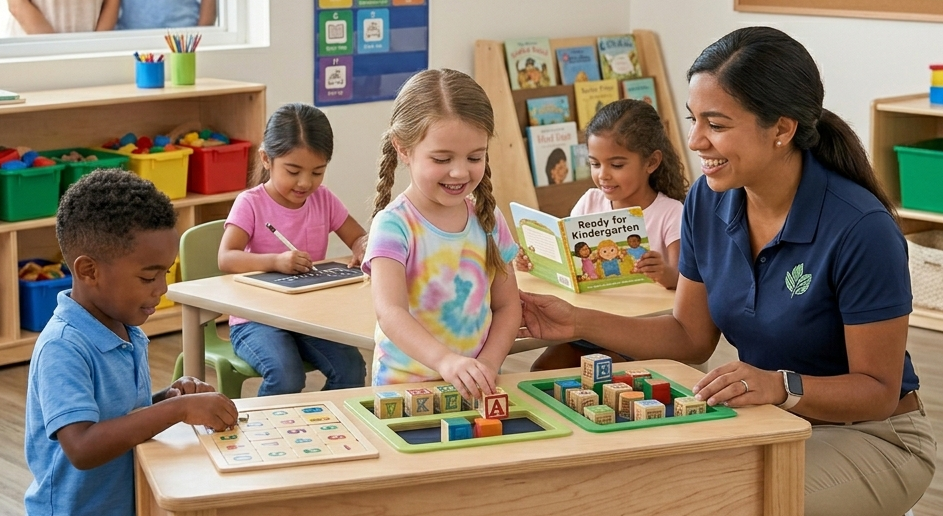
Don’t Settle for Just Any Summer Program—Here’s What Your Child Really Needs If summer is getting closer and you’re still searching for the right place for your child, it can feel stressful. You might be wondering: “Are the good programs already full?” “Can I still find something safe and structured?” “Will my child actually benefit from this—or just pass time?” These are real concerns—and you’re not alone. Choosing the right daycamp in Oak Ridge and Conway Orlando isn’t just about availability. It’s about finding a place where your child feels safe, supported, and continues to grow. At Storybook School, families still have the opportunity to choose a program that offers more than supervision—it offers structure, learning, and confidence-building every single day. Why Waiting Too Long Can Impact Your Child’s Summer It’s easy to put off summer planning when life gets busy. But once school ends, the need for structure becomes clear. Without a plan, summer can quickly turn into: Long, unstructured days Too much screen time Disrupted routines that are hard to rebuild Children feel this shift too. Without consistent engagement, they may lose focus, confidence, and important habits. That’s why finding the right daycamp in Oak Ridge and Conway Orlando matters—even if you’re making a last-minute decision. The right program brings structure back into your child’s day—and peace of mind back into yours. What to Look for When Choosing a Summer Program When options feel limited, it’s tempting to choose the first available spot. But not all programs offer the same experience. If you’re searching for a summer camp near Oak Ridge and Conway, here’s what really matters: Safety and Supervision Your child should always be in a secure, well-managed environment with attentive staff. Structured Activities A mix of learning, play, and rest keeps children engaged and supported. Caring, Experienced Staff Children thrive when they feel understood and comfortable. Clear and Honest Pricing No surprises—just transparency you can trust. At Storybook School, these are not extras—they’re part of the foundation. How the Right Program Supports Your Child’s Growth A strong summer childcare Oak Ridge and Conway program does more than keep your child busy—it supports their development every day. At Storybook School, children benefit from: Continued Learning Activities build early literacy, math, and problem-solving skills in a fun, natural way. Daily Structure A predictable routine helps children stay focused and confident. Social Development Children learn how to communicate, share, and build relationships. This balance is what makes a day camp in West Orlando experience truly valuable. Your child continues growing—without feeling pressured. Activities That Keep Children Engaged and Learning Children need more than free play—they need activities that keep them interested and involved. At Storybook School, each day includes: Storytime that strengthens language and comprehension Creative arts that build coordination and focus Early math activities that develop problem-solving skills Group play that encourages teamwork and communication These activities are thoughtfully planned. For example, group games help children practice following directions and working with others, while creative projects build independence and attention to detail. Your child stays engaged—and continues learning naturally. Why Structure Helps Children Feel Confident Children feel more secure when they know what to expect. A consistent routine helps them: Stay focused throughout the day Transition smoothly between activities Feel comfortable in their environment At Storybook School, each day follows a clear and supportive rhythm. Children don’t feel rushed—they feel guided. Choosing a structured daycamp in Oak Ridge and Conway Orlando helps your child build confidence and independence. What a Typical Day Looks Like at Storybook School As a parent, understanding your child’s daily routine can bring real peace of mind. Here’s what a typical day includes: Early drop-off starting at 6:30 AM Morning welcome activities to ease children into the day Circle time and group learning Nutritious meals and snacks (included at both locations) Hands-on learning and creative play Outdoor time for movement and exploration Lunch and social interaction Quiet time to rest and recharge Afternoon activities and guided play End-of-day pickup This balanced schedule keeps children engaged while also giving them time to rest. Each part of the day supports both learning and emotional well-being. Supporting Social and Emotional Development Summer programs are about more than academics—they’re about confidence. At Storybook School, children practice: Sharing and taking turns Expressing their needs clearly Building friendships Working together in group settings These everyday interactions help children feel more confident around others. For families searching for a summer camp near Oak Ridge and Conway, this kind of development is just as important as academic learning. A confident child is more likely to participate, engage, and succeed. What Makes Storybook School Different When you’re choosing a program—especially later in the season—you want to feel confident in your decision. Storybook School stands out because of its: Two Convenient Locations Serving families in Oak Ridge (32809) and Conway (32812). Early Hours (6:30 AM) Designed to support working parents with busy schedules. Meals Included No need to pack lunches—making mornings easier. Step Up Scholarships Accepted Helping make quality childcare more affordable. Kindergarten Readiness Focus (Conway Location) Preparing children for long-term academic success. Private School Option (K–1st at Conway) Providing continuity beyond early childhood education. These features are designed to support both your child’s growth—and your daily routine. Addressing Parent Concerns with Confidence It’s completely normal to have concerns when choosing a summer program. Safety Children are supervised at all times in a structured and secure environment. Trust A caring, consistent team creates a nurturing space where children feel comfortable. Affordability Families looking for value will find that an affordable summer camp Oak Ridge and Conway option can still provide high-quality care, meals, and learning opportunities. You shouldn’t have to second-guess your decision. With the right program, you can feel confident every day. Making the Transition Back to School Easier One of the biggest benefits of a structured summer program is what happens when school begins again. Children who stay engaged during the summer: Adjust more easily to routines Feel more confident in group settings Experience fewer challenges when transitioning back At Storybook School, children build these habits every day. Instead of starting from behind, they walk into the school year ready. For parents, that means less stress and a smoother transition. You Still Have Time to Make the Right Choice Even if you’re still searching, it’s not too late to find a program that truly supports your child. The right daycamp in Oak Ridge and Conway Orlando can provide: Structure and consistency Meaningful activities A safe and supportive environment Confidence for your child—and peace of mind for you At Storybook School, everything is designed to help your child grow while making your life easier. Schedule a Tour or Enroll Today Summer spots are limited, and availability won’t last long. If you’ve been waiting to find the right fit, now is the time to act. 👉 Schedule a tour today and visit your nearest location 👉 Call now to speak with the team and get your questions answered 👉 Enroll today to secure your child’s spot before spaces are filled Give your child a summer filled with confidence, care, and growth—right here in Oak Ridge and Conway Orlando.
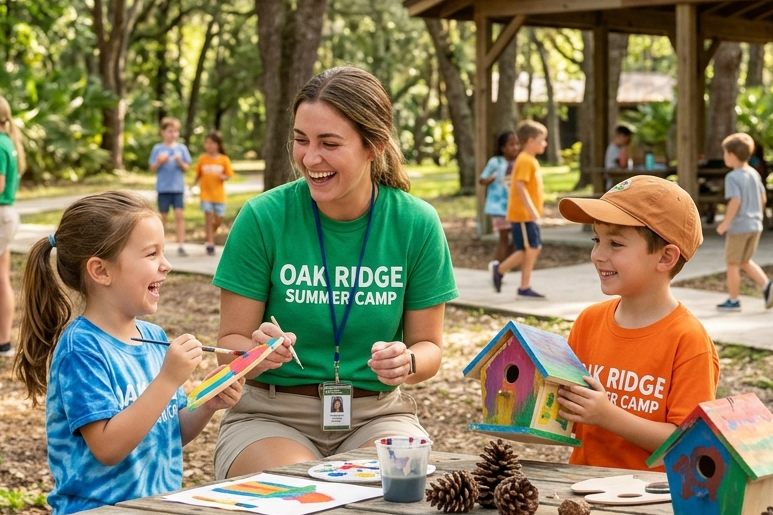
What Your Child Gains From a Well-Structured Summer Program in West Orlando When you’re choosing a summer program, one question usually comes to mind first: “What is my child actually getting out of this?” You’re not just looking for a place to drop them off. You want your child to be safe, engaged, learning, and happy. At the same time, you’re balancing your schedule, your budget, and your child’s development. That’s why understanding what’s truly included in a summer program in Oak Ridge and Conway Orlando makes all the difference. At Storybook School, every part of the day is designed with purpose—so your child isn’t just spending time, they’re growing in confidence, skills, and independence. Why What’s Included in a Summer Program Really Matters Not all summer programs offer the same experience. Some simply supervise children, while others create an environment where children actively learn, build confidence, and stay engaged. Without structure and meaningful activities, children may: Lose learning habits Feel bored or disconnected Struggle when returning to school That’s why choosing the right summer program in Oak Ridge and Conway Orlando matters. When a program includes structured activities, supportive care, and a consistent routine, your child stays on track—and you gain peace of mind. How a Summer Program Supports Learning, Structure, and Growth A high-quality summer childcare Oak Ridge and Conway program supports more than your daily routine—it supports your child’s development. At Storybook School, every day is designed to support: Continued Learning Children stay engaged with activities that build early literacy, math, and problem-solving skills. Daily Structure A predictable routine helps children feel secure and focused. Social Development Children learn how to communicate, cooperate, and build relationships. This balance ensures your child continues developing—even during the summer months. Activities That Feel Fun—But Build Real Skills Children learn best when they’re actively involved. That’s why Storybook School creates a wide range of activities that feel exciting, but are carefully designed with purpose. Each day includes: Storytime that builds vocabulary and comprehension Creative arts that strengthen fine motor skills Early math activities that develop problem-solving Group play that encourages teamwork and communication These activities are not random. For example, a group game helps children practice following directions and working with others, while creative projects build patience and independence. Your child stays engaged—and continues learning naturally. Why Structure and Routine Make a Big Difference Children thrive in environments where they know what to expect. A consistent routine helps them: Stay focused throughout the day Transition smoothly between activities Feel comfortable and secure At Storybook School, each day follows a structured flow that feels supportive—not rigid. Children move through their day with confidence, knowing what comes next. Choosing a structured summer program in Oak Ridge and Conway Orlando helps your child feel safe while building independence. What a Typical Day Looks Like at Storybook School As a parent, knowing your child’s daily experience can bring real peace of mind. Here’s what a typical day looks like: Early drop-off starting at 6:30 AM for working families Morning welcome activities to help children ease into the day Circle time and group learning Nutritious meals and snacks (included at both locations) Hands-on learning and creative play Outdoor time for movement and exploration Lunch and social interaction Quiet time to rest and recharge Afternoon activities and guided play End-of-day pickup This balanced schedule keeps children engaged without overwhelming them. Each part of the day supports both learning and emotional well-being. Meals That Support Your Child—and Simplify Your Routine Meals are an important part of your child’s day. At Storybook School, meals are included—giving your child consistent nutrition and giving you one less thing to worry about. Children benefit from: Regular meal times that support routine Nutritious food that keeps energy levels steady Opportunities to build social skills during meals For parents, this means no packing lunches every morning. It’s a simple detail—but one that makes a big difference. Helping Your Child Build Social Confidence Summer programs are a great time for children to grow socially. At Storybook School, children practice: Sharing and taking turns Communicating their needs clearly Building friendships Working together in group settings These everyday interactions help children feel more confident and comfortable around others. For families looking for a strong summer childcare Oak Ridge and Conway program, this social growth is just as important as academic learning. A confident child is more likely to participate, engage, and succeed. What Makes Storybook School Different Choosing the right program means finding a provider that understands your needs as a parent. Storybook School stands out because of its: Two Convenient Locations Serving families in both Oak Ridge (32809) and Conway (32812). Early Hours (6:30 AM) Helping working parents manage busy schedules. Meals Included at Both Locations Providing convenience and consistent nutrition. Step Up Scholarships Accepted Making quality childcare more accessible. Kindergarten Readiness Focus (Conway Location) Helping children build a strong academic foundation. Private School Option (K–1st at Conway) Providing long-term educational continuity. These features are designed to make your life easier—while supporting your child’s growth. Addressing Parent Concerns with Confidence It’s completely normal to have concerns when choosing a summer program. Safety Children are supervised at all times in a structured and secure environment. Trust A caring and consistent team creates a supportive space where children feel comfortable. Affordability Families looking for an affordable summer camp Oak Ridge and Conway option will find real value through included meals, accepted scholarships, and quality care. You shouldn’t have to worry throughout the day. With the right program, you can feel confident from drop-off to pickup. Making the Transition Back to School Easier One of the biggest benefits of a structured summer program is what happens when school begins again. Children who stay engaged during the summer: Adjust more easily to routines Feel more confident in group settings Experience fewer challenges when school starts At Storybook School, children build these habits every day. Instead of starting from behind, they walk into the school year ready. For parents, that means less stress and a smoother transition. Give Your Child a Summer That Supports Growth and Confidence Summer is more than just a break—it’s an opportunity. With the right program, your child can: Stay engaged and continue learning Build confidence and independence Develop important social and academic skills Feel supported every day At Storybook School, every part of the program is designed to help your child succeed—while giving you peace of mind. Schedule a Tour or Enroll Today Summer spots are limited, and availability won’t last long. If you want a safe, structured, and supportive environment for your child, now is the time to act. 👉 Schedule a tour today and visit your nearest location 👉 Call now to speak with the team and get your questions answered 👉 Enroll today to secure your child’s spot before spaces are filled Give your child a summer filled with confidence, care, and growth—right here in Oak Ridge and Conway Orlando.

A Smarter Way to Choose a Summer Program Your Child Will Love Choosing a summer program isn’t always easy. You might be asking yourself: “Is this place safe?” “Will my child actually learn anything?” “Can I afford something that still feels high-quality?” These questions matter—because you’re not just choosing childcare. You’re choosing where your child will spend their days, who they’ll be around, and how they’ll grow. Finding the right summer camp in Oak Ridge and Conway Orlando can feel overwhelming, especially when you want something that checks every box: safe, structured, engaging, and affordable. At Storybook School, families don’t have to compromise. You can find a program that supports your child’s growth while giving you peace of mind every single day. Why Choosing the Right Summer Program Matters More Than You Think Summer should be fun—but too much unstructured time can create challenges for young children. Without consistent routines and engagement, children may: Lose focus and learning habits Struggle with transitions when school starts again Feel less confident in group settings These changes often show up later, when school resumes. That’s why choosing the right summer camp in Oak Ridge and Conway Orlando is so important. A structured summer program keeps your child engaged, learning, and confident—while still allowing them to enjoy their summer. And for you, it means not having to worry about how your child is spending their day. What to Look for in a Safe and Affordable Summer Camp Not all programs offer the same level of care. If you’re searching for an affordable summer camp Oak Ridge and Conway families trust, here are the most important things to look for: Safety and Supervision Your child should always be in a secure environment with attentive supervision. Structured Daily Activities A balance of learning, play, and rest helps children stay engaged. Experienced and Caring Staff Children thrive when they feel comfortable, supported, and understood. Clear, Honest Pricing You should know exactly what you’re paying for—without hidden costs. At Storybook School, these are not extras—they’re the standard. How a Summer Program Supports Your Child’s Growth A strong summer childcare Orlando program supports more than your schedule—it supports your child’s development. At Storybook School, children benefit from: Continued Learning Activities build early literacy, math, and problem-solving skills in a fun, natural way. Daily Structure Predictable routines help children feel secure and confident. Social Development Children learn how to communicate, cooperate, and build friendships. This combination helps children stay on track instead of falling behind during the summer months. Activities That Keep Children Engaged and Learning Children learn best when they’re actively involved. That’s why Storybook School creates days filled with meaningful activities that feel fun—but are designed with purpose. Each day may include: Storytime that builds language and comprehension Creative arts that strengthen fine motor skills Early math activities that support problem-solving Group play that encourages teamwork and communication These aren’t just ways to pass time. For example, group games teach children how to follow directions and take turns, while creative projects build focus and independence. Your child stays engaged—and continues learning without pressure. Why Structure and Routine Make a Big Difference Children feel more confident when they know what to expect. A consistent routine helps them: Stay focused Transition smoothly between activities Feel comfortable in their environment At Storybook School, each day follows a clear and supportive rhythm. Children don’t feel rushed—they feel guided. Choosing a structured summer camp in Oak Ridge and Conway Orlando helps your child feel secure while building independence. What a Typical Day Looks Like at Storybook School As a parent, knowing your child’s daily routine brings real peace of mind. Here’s what a typical day might look like: Early drop-off starting at 6:30 AM for busy families Morning welcome activities to ease children into the day Circle time and group learning Nutritious meals and snacks (included) Hands-on learning and creative play Outdoor time for movement and exploration Lunch and social interaction Quiet time to rest and recharge Afternoon activities and guided play End-of-day pickup This balanced schedule keeps children engaged without overwhelming them. It also helps them build the habits they’ll need when school begins again. Supporting Social and Emotional Confidence School readiness isn’t just about academics—it’s about confidence. At Storybook School, children practice: Sharing and taking turns Expressing their needs clearly Building friendships Working together in group settings These everyday interactions help children feel more comfortable and confident. For families looking for a strong summer childcare Orlando program, this social growth is just as important as academic learning. A confident child is more likely to participate, engage, and succeed. What Makes Storybook School Different Choosing the right program means finding a provider that truly understands your family’s needs. Storybook School stands out because of its: Two Convenient Locations Serving families in both Oak Ridge (32809) and Conway (32812). Early Hours (6:30 AM) Perfect for working parents who need flexible scheduling. Meals Included No need to pack lunches—making your mornings easier. Step Up Scholarships Accepted Helping make quality care more affordable for families. Strong Focus on Kindergarten Readiness (Conway Location) Preparing children for long-term academic success. Private School Option (K–1st at Conway) Providing continuity beyond early childhood programs. These features make Storybook School a trusted choice for families across West Orlando. Addressing Parent Concerns with Confidence Choosing a summer program comes with important questions. Safety Children are supervised at all times in a structured and secure environment. Trust A caring and consistent team creates a supportive space where children feel comfortable. Affordability Families looking for an affordable summer camp Oak Ridge and Conway option will find real value in a program that combines quality care with accessible pricing and accepted scholarships. You shouldn’t have to worry about your child throughout the day. With the right program, you can feel confident from drop-off to pickup. Helping Your Child Transition Back to School with Ease One of the biggest benefits of a structured summer program is what happens when school begins again. Children who stay engaged during the summer: Adjust more easily to routines Feel more confident in group settings Experience fewer challenges when transitioning back At Storybook School, children build these habits every day. Instead of starting from behind, they walk into the school year ready. For parents, that means less stress and a smoother start. Give Your Child a Summer That Builds Confidence and Growth Summer is more than just a break—it’s an opportunity. With the right program, your child can: Stay engaged and continue learning Build confidence and independence Develop important social and academic skills Feel supported every day At Storybook School, every part of the program is designed to help your child succeed—while making your life easier. Schedule a Tour or Enroll Today Summer spots are limited, and availability won’t last long. If you want a safe, structured, and affordable program for your child, now is the time to act. 👉 Schedule a tour today and visit your nearest location 👉 Call now to speak with the team and get your questions answered 👉 Sign Up For Summer Break Camp today to secure your child’s spot before spaces are filled Give your child a summer filled with confidence, care, and growth—right here in Oak Ridge and Conway Orlando.

Start Fresh This New Year: Why Winter Is the Best Time to Enroll in Preschool Parents hear it all the time. If you want a preschool spot, enroll in fall. Families rush to secure classrooms as the school year begins, and many believe that if they do not act by August or September, they have missed their chance. So when winter arrives, parents often ask the same anxious question. I missed the fall rush. Is it too late to enroll? Here is the reassuring truth. Winter is one of the smartest seasons for preschool registration in Orlando. In fact, families who choose to enroll during winter often experience smoother transitions, less stress, and more flexibility. At Storybook School Orlando, winter brings a feeling of fresh momentum. Families come in ready for new routines, new growth, and a renewed sense of calm as the year begins. Winter is not late. Winter is a fresh start. This guide breaks down why winter enrollment works so well, how it supports both children and parents, and why this season might be the best time to join Storybook School Orlando. If you have been carrying the worry that you missed something important, this blog will help you move forward with confidence. Why Parents Feel Behind in Winter Many parents worry that preschool enrollment works the same way as traditional K to 12 schools. Once fall passes, they assume classrooms are full and that switching routines midyear is disruptive for children. That belief creates unnecessary stress, especially for families who spent the first half of the school year adjusting to work changes, travel, new family schedules, or simply waiting for their child to feel ready. Here is what most parents do not realize. High quality early childhood programs operate year round. Children grow continuously, and many are actually more developmentally ready during winter than they were in fall. Families move, jobs shift, and childcare needs change throughout the year. Because of this, many preschools, including Storybook School Orlando, expect and welcome midyear enrollment. If you have been worried that you waited too long, take a breath. Winter is not a closing door. It is an opening one. A New Year Means New Energy and New Possibilities January and February bring a different kind of rhythm into family life. After the busy holiday season, many parents feel motivated to reset routines, simplify their schedules, and start fresh. This mindset makes winter a powerful time to make decisions that support long term family wellbeing. Parents often tell us they feel more grounded in winter. They can look at the months ahead with clearer intentions. They have more time to tour programs, ask questions, and evaluate what type of learning environment their child needs. Compared to the rush and urgency that fall brings, winter feels calmer and more intentional. At Storybook School Orlando, we see families enroll during winter with a renewed sense of purpose. This energy translates into smoother transitions for children and greater peace of mind for parents. Winter is the season of new beginnings, and preschool can be one of the most meaningful ways to start that journey. Winter Enrollment Helps Children Transition More Smoothly Many people imagine that starting in fall is the only way to ensure a smooth preschool transition. Yet winter enrollment often provides advantages that parents do not expect. 1. Classrooms feel settled and stable By winter, teachers have established routines. The environment is calm, structured, and predictable. Children entering during this season benefit from walking into a classroom with clear rhythms. They do not face the collective stress of thirty new children starting all at once. Instead, they join a community that already feels welcoming and consistent. 2. Teachers have more time for individual attention Fall is the busiest onboarding period for any preschool. Winter is more evenly paced. That means teachers can dedicate more time to helping new children adjust, build relationships, and feel secure. This individualized support often leads to faster adaptation and greater confidence for young children. 3. Smaller introductions reduce overwhelm Joining a classroom during the fall swarm can feel intimidating for some children. Winter introduces them at a gentler pace. Children have the space to observe, explore, and grow comfortable before blending into full group activities. This slower transition builds emotional resilience and a stronger sense of belonging. 4. Social bonding happens quickly By midyear, many children are excited to welcome a new friend. They already trust their environment, so they are eager to include newcomers in play. Winter enrollment often sparks quick friendships because children are past the early adjustment stage and are ready to connect. 5. No pressure to match a starting group Some parents feel worried that their child will be behind if they join midyear. Preschool learning does not work that way. There is no single cohort that needs to be matched. Winter starters grow at their own pace and integrate easily into ongoing activities. All of this creates a positive emotional experience for your child. Winter becomes a season of confidence instead of stress. Parents Gain the Gift of Flexibility Families searching for childcare enrollment in Conway FL during winter often discover a hidden benefit. Winter typically creates more flexibility in scheduling and availability. Fall fills quickly. Winter frees up possibilities. Here are the advantages parents usually see. 1. More classroom options Winter often brings new openings due to family moves, schedule changes, or program adjustments. Parents have access to choices they may not have had during fall. 2. Less competition for spots Families are no longer competing with the large influx of fall enrollments. This gives parents more breathing room to tour programs and make thoughtful decisions. 3. Better alignment with family schedules Winter is a great moment to adjust work routines, childcare plans, and family rhythms. Enrolling midyear allows parents to rebuild structure as the year begins. 4. A smoother onboarding process Without the rush of fall, families experience clearer communication, more support, and a more personalized enrollment process. These advantages make winter enrollment feel intentional instead of rushed. Your Child Will Not Miss Anything by Starting in Winter Parents often worry that their child will fall behind if they do not start preschool at the beginning of the school year. That worry is understandable, but it does not match how preschool education actually works. At Storybook School Orlando, our curriculum is designed to integrate new students at any time of year. Skills develop continuously Children do not learn social, emotional, motor, language, or cognitive skills based on a single start date. These skills grow through repeated experiences. Winter starters receive all the same opportunities as fall starters. There is no concept of being behind Early childhood education is not based on academic race or competition. Children grow at their own pace. Teachers personalize instruction from the moment a child arrives. Children thrive when they feel emotionally secure Winter enrollment gives children a calm and predictable environment. This emotional security helps them learn faster, communicate more, and participate with enthusiasm. The learning cycle repeats naturally Preschool does not operate on a rigid semester schedule. Themes, activities, and developmental goals rotate throughout the year. Winter starters join seamlessly, because the learning flow is designed to welcome children at different times. Development has its own timing Children become ready for structured learning at different ages and stages. Many children are more prepared in winter than they were in fall. Winter enrollment often matches their natural growth rhythm. In other words, your child is not late. They are right on time for who they are right now. Winter Enrollment Reduces Parent Stress One of the biggest benefits families experience with winter enrollment is peace of mind. Many parents do not expect it, but the emotional relief can be life changing. You have fewer unknowns When childcare is secured early in the new year, the rest of your planning becomes simpler. Work routines, transportation logistics, and daily family structure all become easier to manage. You eliminate the fear of missing out That lingering worry about finding a spot disappears. You no longer have to check programs, ask around, or wonder if you will secure a space for the next school year. You step into the new year with clarity Parents often choose winter enrollment because they want to improve their family routines. Preschool supports healthier daily habits, more predictable mornings, and better balance for the entire household. You see progress sooner Children begin building independence, communication skills, and confidence right away. Watching your child grow often brings a sense of relief. Parents frequently tell us they wish they had enrolled sooner once they see the positive changes. You allow yourself to breathe again When childcare needs are handled, parents finally feel the mental space they have been missing. Winter enrollment creates that space. Signs Your Child Is Ready To Start Preschool This Winter Many families wait to enroll because they are unsure if their child is ready. Readiness is not about age alone. It is about behavior, curiosity, and daily habits. Here are common signs that your child may be ready: They show interest in other children They imitate actions they see grownups or peers do They enjoy exploring new activities They communicate their wants and needs in simple ways They are becoming more independent They benefit from structured routines They seem eager for stimulation and hands on learning Preschool does not require perfection. Potty training, speech clarity, and self regulation are skills children develop throughout the year. Teachers support these growth areas every day. If you are unsure, Storybook School Orlando can guide you through understanding your child’s readiness based on their personality, strengths, and comfort level. Why Storybook School Orlando Is Ideal for Winter Enrollment Not every preschool is designed to welcome new students easily throughout the year. Storybook School Orlando is built for it. 1. We offer year round enrollment We understand that family needs change. Our systems support smooth onboarding in every season. 2. Our curriculum naturally adapts to each child Children join seamlessly because activities and lessons rotate in cycles that support all developmental stages. 3. Teachers provide individualized onboarding Your child receives focused attention from the start. This builds trust, emotional security, and confidence. 4. Our classroom culture is warm and stable By winter, the classroom environment feels calm and predictable. This stability makes transitions easier for children. 5. Parents receive clear guidance during the registration process We assist with paperwork, schedules, classroom introductions, and questions. Our goal is to remove overwhelm and replace it with clarity. 6. Community is central to our program New families feel welcomed quickly. We prioritize connection and communication right from the beginning. Winter is a beautiful time to join the Storybook School Orlando community. Tips for a Smooth Winter Enrollment Parents often wonder what they can do to make winter enrollment easier for their child. Here are simple steps that make a big difference. 1. Tour early in the season Winter offers flexibility, but spaces still fill steadily. Touring early gives you the best selection of classrooms and schedules. 2. Communicate openly about your child’s needs Every child is unique. Sharing details about personality, comfort level, fears, or routines helps teachers welcome your child with understanding. 3. Establish simple daily routines at home Predictable morning and bedtime habits help children adjust to preschool structure. 4. Talk positively about the new experience Children respond to your tone. If you speak with excitement and reassurance, they will feel more confident. 5. Trust the adjustment process Some children adapt quickly. Others take a little longer. Both are normal. Consistency and patience are key. With the right support, winter enrollment becomes a rewarding experience for both parent and child. A New Beginning Awaits Your Family If you have been asking yourself whether it is too late to enroll, let this be your answer. Winter is not a missed opportunity. Winter is a fresh start. It is calm, intentional, and aligned with the natural rhythm of early childhood development. Preschool registration in Orlando does not have to feel rushed or stressful. Childcare enrollment in Conway FL does not have to be limited to fall deadlines. This winter, you have the chance to create a new routine, support your child’s growth, and bring more peace into your daily life. Storybook School Orlando is here to welcome your family whenever you are ready. Winter may be the perfect moment to begin. Interested? Contact Us ! Want to Learn More ?

Snow Days (Florida Style): Cozy Learning Ideas That Keep Kids Off Screens Florida may not give us snowflakes or icy rooftops, but we all know our version of winter can still bring chilly days, gray skies, and surprise rainstorms that keep little ones indoors. When the weather pushes families inside, parents face the same challenge every year. Kids get bored quickly. The energy starts to rise. Someone cries for snacks. Someone else tries to climb the couch. And then the guilt sets in as the screen becomes the easiest way to keep everyone calm. If you feel that familiar guilt of “I let them watch too much TV because it was raining again,” you are far from alone. Parents all across Orlando feel the same struggle when the weather says no to playground time. At Storybook School Orlando, we understand the tug of wanting to give your child meaningful, creative activities even on the days when energy is high and patience is low. This is exactly why we created this guide. You will find cozy, hands on ideas that require simple household items, support learning, spark imagination, and take the pressure off you. These activities are inspired by our own classrooms and are designed to help you enjoy your time together, not just survive it. Whether you are searching for preschool activities Orlando or simple indoor play ideas toddlers will love, this list will help you turn cold or rainy days into warmth, bonding, and joyful learning. So let’s make Florida style snow days feel magical. Why Cozy Learning Matters on Stay at Home Days Even a single day stuck indoors can disrupt routines and increase screen use. But children thrive on exploration and hands on moments, especially during early childhood. Staying inside does not have to mean losing growth or creativity. In fact, indoor days offer unique learning opportunities. 1. Kids learn through sensory play Textures, sounds, scents, and movement build brain connections. Indoor sensory experiences help children stay calm, focused, and curious. 2. Cozy activities strengthen family connection When children share warm, close moments with parents through reading, creating, or playing together, it brings emotional comfort they remember long after the rain stops. 3. Hands on play reduces screen dependence Screens are convenient. They also shut down imagination. Giving your child an engaging alternative helps build healthier habits. 4. Simple activities promote lifelong learning Children who experience playful learning at home tend to become more confident, independent, and creative in school environments. The best part is that you do not need fancy materials or Pinterest perfection to make learning happen. You just need a handful of simple tools, a little structure, and a willingness to let kids explore. Cozy Learning Activity 1: The Living Room Winter Village This one feels magical, especially when the weather is stormy outside. Create a winter village on the floor or table using: Blocks Crayons and paper Toy animals Small boxes Cotton balls Anything soft or fluffy Children build pretend houses, snowy lanes, or imaginary characters. They can draw winter trees, make paper snowflakes, or add small blankets as pretend roads. Why it works: Imaginative play expands language skills, creativity, and storytelling. Children naturally verbalize what they are creating, which strengthens early literacy skills. It also keeps them engaged for long stretches of time. Cozy Learning Activity 2: Sensory Snow Without the Mess This is perfect for parents searching for indoor play ideas toddlers can safely explore. Make sensory snow by mixing two cups of baking soda with one cup of cornstarch. Add a little water at a time until the mixture feels cool and moldable. It crumbles like snow but packs together when squeezed. Give your child: Measuring spoons Small cups Toy cars or animals A cookie tray Kids will scoop, pour, scrape, mold, and poke the mixture. It feels like winter, even in Florida. Why it works: Sensory play builds fine motor skills, supports early math concepts, and provides calming input that helps regulate emotions. Cozy Learning Activity 3: Storytime Fort Adventures Take a few blankets and cushions, push chairs together, and create a cozy reading fort. Add a small light or flashlight and let your child choose the books. If you want to turn it into extra learning: Ask your child to act out parts of the story Let them draw the characters afterward Sing a short song based on the theme Create a simple puppet show Fort time turns reading into a special event and helps children associate books with comfort, not pressure. Why it works: Reading in a cozy environment helps children build a positive relationship with language. It also improves focus because they feel safe and relaxed. Cozy Learning Activity 4: Indoor Obstacle Course Cold days often bring one big challenge. Kids have too much energy. An indoor obstacle course gives movement without chaos. Use what you have: Pillows to hop over Masking tape to create a path A blanket tunnel Stuffed animals as markers A timer for extra excitement Children can crawl under, hop across, spin at checkpoints, or throw soft balls into baskets. Why it works: Movement fuels learning. Physical activity grows coordination, strengthens problem solving skills, and releases restless energy that can otherwise create meltdowns. Cozy Learning Activity 5: Winter Mystery Bins Learning can feel like a treasure hunt when you hide items inside a sensory bin. Fill a container with: Rice Cotton balls Pom poms Feathers Pasta Beans Hide small objects like animals, shapes, or letters. Let your child scoop and search for buried treasures. To add learning: Ask them to sort items Count what they found Match items together Build stories around each object Why it works: Mystery bins strengthen memory, math skills, and observation. They also give children long periods of focused quiet play. Cozy Learning Activity 6: Kitchen Helper Play If you have to cook dinner, include your child in simple kitchen activities. Toddlers and preschoolers can: Wash vegetables Measure water Stir batter Sort utensils Tear lettuce Pour ingredients This is a safe, supervised way to teach them real life skills. Why it works: Cooking builds confidence and teaches cooperation, early math, cause and effect, and language skills. Cozy Learning Activity 7: Winter Art Studio at Home Turn your table into an art station for an hour. You can offer: Paper plates Cotton balls Q tips Glue Crayons Washable markers Scrap paper Stickers Some winter art ideas: Make “snowflakes” by cutting scrap paper Create snowmen with cotton balls Paint with q tips Draw winter animals Trace hands to make mittens Create a paper “snowstorm” collage Why it works: Art helps children express feelings, practice fine motor control, and explore colors and shapes. Cozy Learning Activity 8: Homemade Story Cards Cut several index cards or small pieces of paper. Draw a simple picture on each one or ask your child to help. Include items like: A house A dog A star A tree A snowman A car A moon A child Put the cards in a bowl. Have your child pick two or three cards and then tell a story using the images. Older preschoolers can help add more detail or draw their own versions. Why it works: Storytelling builds vocabulary, sequencing, and imagination. It also gives children a sense of creative control. Cozy Learning Activity 9: The Blanket Slide Game If you have enough floor space, let your child sit on a blanket and gently pull them across the room. Then let them pull a stuffed animal or toy the same way. This is gentle, playful, and perfect for days when you cannot go outside. Why it works: Movement like this builds core strength and body awareness. It also helps children bond with parents through laughter and closeness. Cozy Learning Activity 10: Indoor Camping Night Set up a pretend campsite with: A blanket on the floor A pretend campfire made from tissue paper A flashlight Storybooks Stuffed animals Sing simple songs, tell fun stories, or let your child pretend to roast marshmallows with cotton balls on craft sticks. Make it feel like a special event they can look forward to. Why it works: Pretend play strengthens emotional development and helps children learn social roles and cooperative behavior. Why Screen Time Guilt Shows Up So Easily Parents often feel guilty about screen time because they want balance. You want your child to explore, move, and learn, not just watch videos. But the truth is simple. Parenting is hard work, especially in unpredictable weather. Screens become a tool because they are convenient. The goal is not to remove screens forever. The goal is to have a plan for meaningful alternatives. Cozy learning activities help because they provide structure. Children play longer and more peacefully when you offer something engaging. When their hands are busy, their minds grow. So instead of guilt, think of these days as an opportunity to connect. Make Winter Days Something to Look Forward To Florida does not give us snow, but it does offer the perfect backdrop for warm, cozy moments indoors. With the right ideas, winter becomes a season of: Connection Creativity Learning Laughter It becomes a time when your child experiences simple joys like forts, stories, sensory play, and imagination. And you get the comfort of knowing that even inside the house, your child is learning and thriving. When you bring in ideas like these, screen time becomes intentional instead of automatic. And your child develops skills that prepare them for preschool success. If you are searching for preschool activities Orlando or creative indoor play ideas toddlers will enjoy, use these cozy suggestions to turn a cold or rainy day into a warm memory. And if you ever need support or want more activity ideas, Storybook School Orlando is here for your family. Our community believes in learning through warmth, imagination, and joyful connection. Interested? Contact Us ! Want to Learn More ?

When School’s Out but Work Isn’t: Finding a Winter Routine That Works for Your Family Winter brings a mix of excitement and pressure for families. The holidays roll in, school breaks interrupt the usual routine, and work responsibilities do not slow down. For many parents in Orlando, this creates a very real struggle. You love your child and want them to enjoy the season, but you also need reliable support so your days do not spiral into chaos. You are not alone in this challenge. Every winter, countless parents find themselves asking the same question: “School is out, but I still have to work. How do I find a safe, consistent place for my child?” Finding dependable winter childcare in Orlando can feel overwhelming, especially when options are limited or when you have already tried patching together last minute babysitting plans that never work out quite right. At Storybook School Orlando, we understand the pressure that families feel during the winter months. That is why we focus on creating stability, warmth, and routine when everything else feels unpredictable. This blog will guide you through why winter care matters, what to look for when choosing a program, and how parents near Conway and Oak Ridge can find the supportive village they truly deserve. Why Winter Breaks Create Pressure for Working Families During the school year, routines feel predictable. You wake up, get everyone ready, drop off your child, head to work, and trust that they are learning and cared for. Then winter arrives. Suddenly everything changes. School calendars shift, work deadlines pile up, and holidays create interruptions. And while adults do not get a long winter vacation, children often do. This mismatch is the root of the stress. Working parents must continue meeting job expectations while still making sure their child stays safe, engaged, and cared for. These gaps in routine can put parents in a difficult position, especially if they do not have nearby family members who can help. Parents near Conway and those searching for Oak Ridge FL childcare tell us the same thing every year. They want more than supervision. They want: A consistent schedule A safe and reliable environment A place where their child feels comfortable A program that keeps learning moving forward That is exactly why winter childcare exists and why choosing the right fit can make the entire season smoother. Why Winter Childcare Matters More Than Parents Think Many families believe that winter break is simply a short pause in the year. Children rest, parents adjust, and everyone resets. But early childhood development does not pause when schools close. Routines, learning, and social skills continue growing every day, even during breaks. High quality winter childcare in Orlando supports families in several important ways. 1. Children maintain structure Young children depend on routine. Predictability helps them feel secure. When everything changes at once, children often become restless, overstimulated, or anxious. A stable childcare program gives them a comforting rhythm each day. 2. Learning continues, even during breaks Children learn best through ongoing experiences. Winter childcare keeps their minds active with hands on activities, storytelling, sensory play, early math and literacy, and creative projects. This prevents them from losing the momentum they built during the fall. 3. Parents can work without guilt or stress The truth is simple. When parents worry about childcare, their work becomes harder. It is difficult to focus when you are unsure if your child is safe, happy, or cared for. A reliable childcare program lifts that weight so parents can perform at their best. 4. Children enjoy the season, not just wait for it to end Winter can be magical. With the right program, children enjoy crafts, music, cultural celebrations, and playful learning that makes the season memorable. A great winter childcare environment turns a stressful break into a joyful experience. What Parents Should Look For When Choosing Winter Care Not all childcare programs are created equal. Winter care requires more than just babysitting. It demands experience, structure, and warmth. Parents choosing a preschool near Conway or Oak Ridge FL childcare often use this checklist to guide their decisions: 1. Safety and cleanliness The winter season brings more germs, more indoor activity, and more kids in close quarters. Facilities should be clean, sanitized regularly, and well monitored. 2. Experienced caregivers Children thrive under adults who are patient, trained, and genuinely caring. Always look for consistency in staffing and low child to teacher ratios. 3. A clear daily schedule Children need structure, especially when home routines are different during winter break. A good program outlines activities, rest times, meals, and learning blocks. 4. Engaging, age appropriate activities Winter care should not be a long week of screen time. It should include: Art Music Storytelling Hands on science projects Outdoor play when the weather allows 5. Communication Parents should never feel out of the loop. Look for programs that share updates, photos, or notes so you feel connected to your child’s day. At Storybook School Orlando, these pillars shape everything we do. They help children feel supported and help parents feel confident. How Storybook School Orlando Supports Families During Winter Storybook School Orlando was designed around one goal. Give children a safe, loving place where they can learn, explore, and thrive while giving parents peace of mind. Winter is one of the seasons where our mission matters most. Here is how our school supports families who need winter childcare in Orlando. We create a comforting environment during an unpredictable season Children are welcomed into warm, cheerful classrooms with teachers who greet them by name. These small moments build connection and trust, which are essential when routines outside of school feel different. We maintain learning momentum Even though school districts take breaks, we continue offering: Early literacy activities Fine motor practice Cognitive development lessons Social emotional learning Play based exploration This helps children carry confidence and skill into the spring. We offer flexibility for working parents Our schedules support parents who work full time and need dependable care. Winter should not feel like a puzzle you are forced to solve each day. With Storybook School, your child has a consistent place to be. We provide healthy meals and balanced activities Parents love that they do not have to plan extra meals or guess what their child has been doing all day. Children enjoy movement, creativity, quiet time, and playful learning every day. We welcome families from Conway and Oak Ridge Our location makes it easy for families searching for: A preschool near Conway Oak Ridge FL childcare Winter childcare with a reliable schedule Early learning support during school breaks We are part of your community, and we take that responsibility seriously. What A Winter Day Looks Like At Storybook School Orlando Parents often feel more relaxed when they know what their child’s day looks like. While every classroom has its own rhythm, a typical winter day includes: Warm morning greetings Morning circle Storytime Learning centers such as art, science, sensory play, and dramatic play Outdoor play (weather permitting) Nutritious meals Music and movement Rest and quiet time Afternoon activities and games Children stay busy, social, and engaged. Most importantly, they feel safe and supported. The Emotional Side Of Winter Childcare Parents often underestimate how much emotional relief comes from having stable childcare. You may feel guilty for working. You may worry that you are missing moments. You may feel torn between responsibilities. These feelings are normal. But here is the truth many parents need to hear. Your child does not need you to be everywhere at once. They need you to build the support system that helps your family thrive. Reliable childcare is not a sign of weakness or imbalance. It is a sign of strength. It is a sign of a parent who is doing their best. Choosing winter childcare helps your child stay engaged and happy while helping you stay sane and successful. Everyone wins. Why Midyear Enrollment Works Some parents worry about enrolling their child in a new program in the middle of the school year. They wonder if their child will feel behind or out of place. But early childhood settings are designed for gentle transitions. In fact, midyear enrollment offers several benefits: Smaller class sizes More teacher attention A calmer environment compared to fall rush Faster adjustment times Children are incredibly adaptable. They settle in quickly because winter learning is more flexible and nurturing. How Winter Care Strengthens Families When parents finally find a dependable routine during the winter season, everything feels lighter. You gain: More time More peace More emotional bandwidth More confidence More connection with your child And your child gains: More consistency More friendships More learning More joy Winter no longer feels like a disruption. It becomes a smooth continuation of your child’s growth. Give Your Family the Stability It Deserves This Winter Finding the right winter routine is not about perfection. It is about creating the environment where your family can function, breathe, and thrive. If you have been searching for: Winter childcare Orlando A preschool near Conway Oak Ridge FL childcare A warm, dependable early learning program Storybook School Orlando is ready to welcome your child. We believe every child deserves safety, structure, and joy. And every parent deserves a partner who understands the reality of balancing work and family. This winter, let us be part of your village. Interested? Contact Us ! Want to Learn More ?

5 Sensory Play Ideas You Can Set Up in 5 Minutes or Less

As parents, one of the most important things we can do for our children is to help them develop emotional intelligence. Emotional intelligence (EQ) is the ability to recognize, understand, manage, and influence our emotions and the emotions of others. It plays a crucial role in a child’s overall development, affecting their ability to form relationships, manage challenges, and succeed in both academic and social settings. Preschool is a pivotal time for children to start developing their emotional intelligence. During these early years, children are learning how to regulate their emotions, communicate effectively, and navigate social interactions with their peers. As preschoolers start to explore their emotions, they need guidance and support to understand and manage them in a healthy way. At Storybook School Orlando, we understand the importance of nurturing emotional intelligence in our students. In this blog post, we’ll explore the best ways to encourage emotional intelligence in your preschooler, both at home and in the classroom, and why this skill is so vital for their future success. 1. Lead by Example: Model Emotional Intelligence Yourself Children learn by observing the adults around them, so one of the most powerful ways to encourage emotional intelligence is by modeling it yourself. When you show your child how to express emotions in a healthy and constructive way, they are more likely to imitate those behaviors. Here are a few ways to model emotional intelligence for your preschooler: Express Your Emotions Clearly: When you experience emotions, whether positive or negative, be open about them. For example, saying “I’m feeling frustrated because I can’t find my keys, but I’m going to take a deep breath and keep looking” teaches your child that it’s okay to feel upset and that there are productive ways to handle those emotions. Use Emotional Vocabulary: Help your child build an emotional vocabulary by using words like happy, sad, angry, frustrated, excited, and worried when talking about your feelings. By incorporating these words into daily conversations, you give your child the tools they need to articulate their own emotions. Show Empathy: When your child is upset, validate their feelings by saying things like “I understand that you’re feeling sad because you dropped your toy. It’s okay to feel that way, but let’s work together to clean it up.” Showing empathy teaches your child that their feelings are important and worthy of attention. By modeling emotional intelligence in your everyday life, you provide a solid foundation for your child to develop these skills themselves. 2. Teach Your Preschooler to Recognize and Name Their Emotions Before children can manage their emotions, they must first be able to recognize and name them. Helping your preschooler identify what they’re feeling is the first step toward building emotional intelligence. Here are some strategies for teaching your child to recognize and name their emotions: Use a Feelings Chart: A feelings chart is a visual tool that helps children identify and name their emotions. It typically includes faces showing different emotional expressions, such as happy, sad, angry, and scared. You can use the chart as part of your daily routine by asking your child how they’re feeling and encouraging them to point to the corresponding face. Discuss Emotions During Storytime: Books are a great way to explore emotions. Read stories with characters who experience different emotions and discuss how they might be feeling. Ask questions like, “How do you think the character feels when they lose their toy?” or “What could the character do to feel better?” Create a Feelings Journal: For older preschoolers, a feelings journal can be an effective way to track emotions. Encourage your child to draw pictures of how they feel each day and talk about the events that might have caused those feelings. When children are able to recognize their emotions and label them, they gain the ability to process their feelings in a healthier way. 3. Help Your Child Learn to Manage Their Emotions Once your child can recognize and name their emotions, the next step is teaching them how to manage them. Emotional regulation is an important skill that helps children navigate the ups and downs of life without becoming overwhelmed by their emotions. Here are some techniques to help your preschooler manage their emotions: Teach Deep Breathing: Deep breathing is a simple and effective tool for managing strong emotions. When your child starts to feel upset, guide them through deep breathing exercises. Encourage them to take slow, deep breaths, inhaling through their nose and exhaling through their mouth. This technique can help calm their nervous system and give them a moment to regain control. Use a Calm-Down Corner: A calm-down corner is a designated space where your child can go when they’re feeling overwhelmed. It can be a cozy spot with pillows, soft toys, or a calming sensory item. When your child is upset, encourage them to take a break in the calm-down corner and practice self-regulation strategies like breathing or reading a book. Offer Choices: Giving your child choices allows them to feel in control of their emotions. For example, if your child is upset about a transition, you can say, “You can choose to clean up your toys now, or you can take five more minutes before we clean up. Which one would you like to do?” Giving children choices helps them feel empowered and reduces frustration. By teaching your child these emotional regulation strategies, you equip them with the tools they need to manage their emotions in a healthy way. 4. Encourage Empathy and Perspective-Taking Empathy is a cornerstone of emotional intelligence. Encouraging your preschooler to consider how others might feel helps them develop a deeper understanding of emotions and how their actions affect others. Here are some ways to foster empathy and perspective-taking in your preschooler: Discuss How Others Might Feel: When your child is interacting with others, talk about how the other person might be feeling. For example, if your child accidentally bumps into a friend, you can say, “I think your friend might feel sad because they got hurt. What can we do to make them feel better?” Role-Playing: Role-playing is a fun and engaging way to practice empathy. You can pretend to be different characters in various situations, such as a friend who’s feeling left out or a sibling who’s upset. Encourage your child to think about how the other person might be feeling and how to respond in a compassionate way. Praise Empathetic Behavior: When your child shows empathy, be sure to praise them for it. For example, if your child comforts a friend who is upset, you might say, “That was very kind of you to help your friend feel better. You showed a lot of empathy.” Fostering empathy in your child helps them develop meaningful relationships and navigate social interactions with care and consideration. 5. Encourage Social Skills and Positive Peer Interactions Social skills are an essential part of emotional intelligence. Preschool is the perfect time for children to practice interacting with their peers and learning how to navigate social situations. Here are some ways to encourage social skills and positive peer interactions: Model Positive Social Interactions: When interacting with others, model positive behaviors like sharing, taking turns, and using kind words. Encourage your child to use phrases like “please,” “thank you,” and “I’m sorry” when appropriate. Facilitate Playdates: Playdates provide children with an opportunity to practice social skills in a safe, structured environment. During playdates, encourage your child to share toys, collaborate on activities, and communicate with their friend. Teach Conflict Resolution: Conflicts are a natural part of social interactions. Teach your child how to resolve conflicts by calmly discussing the issue and finding a solution. For example, if two children want to play with the same toy, you can guide them by saying, “Let’s take turns with the toy. You can have it for five minutes, and then it will be your friend’s turn.” By encouraging positive social skills, you help your child build strong relationships and develop emotional intelligence in their interactions with others. 6. Support Your Child’s Emotional Growth in Preschool Preschool plays a significant role in helping children develop emotional intelligence. At Storybook School Orlando, we create a nurturing environment where children learn to express their emotions, build social skills, and practice empathy. Our preschool teachers are trained to recognize the individual emotional needs of each child and provide them with the support they need to thrive. Through structured activities, social interactions, and one-on-one guidance, we work with your child to foster emotional intelligence in a way that’s both fun and meaningful. The strategies outlined in this blog post not only help foster emotional intelligence but also contribute to a well-rounded early childhood experience. As we mentioned in our article 7 Advantages of Early Childcare Enrollment , early enrollment in high-quality childcare programs provides numerous benefits, including emotional development. Furthermore, for parents wondering about childcare options throughout the year, our post Is Daycare All Year Round? Here’s the Truth explains how year-round childcare can provide continuous emotional support and consistency for your child’s development. Conclusion Encouraging emotional intelligence in your preschooler is one of the best ways to set them up for success in school and in life. By teaching them to recognize and manage their emotions, fostering empathy, and encouraging positive social interactions, you help your child develop the skills they need to navigate the world around them with confidence and compassion. At Storybook School Orlando, we are dedicated to nurturing the emotional development of every child. Through individualized care, structured activities, and a strong partnership with parents, we ensure that each child receives the support they need to thrive emotionally, socially, and academically.